


Introduction: New Urban Vision of India.
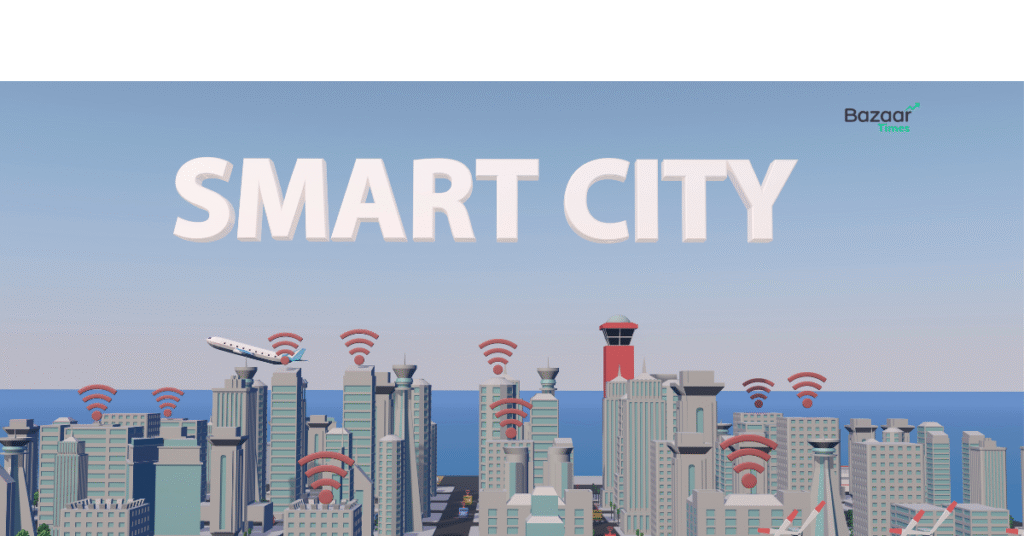
With the current growth rate of cities in India, a new vision of cities is emerging, more unique than ever before, that incorporates technology, sustainability, and inclusivity.
The country is also rethinking the ways cities can be smarter, greener, and more livable under the Smart Cities Mission, which was initiated by the Government of India in 2015.
This program does not only focus on digital innovation; it is a matter of creating environmentally friendly, resilient, and city-oriented urban networks. India is leading a sustainable revolution in the city with clean energy grids and intelligent transport systems, green buildings, and smart waste management.
The Smart Cities Mission: City Transformation in India
The Smart Cities Mission (SCM) is a project that seeks to make 100 cities in India combine both technology and sustainability to enhance the quality of life, economic growth, and environmental balance.
As of 2025
- Over 7,000 smart city projects have been launched with values of 2.05 lakh crore.
- More than 80 percent of these projects are under completion or are completed.
- Such cities as Indore, Pune, Surat, and Bhubaneswar have become the examples of smart and sustainable urban transformation.
Every smart city project is aimed at three pillars
1. Digital governance and technology.
2. City sustainability and green infrastructure.
3. Inclusion and citizen involvement.
Green Infrastructure: The Center of Smart Cities.
An urban area that is green will be a city that is really smart.
Green infrastructure can be defined as natural and built systems that furnish clean air, water, and energy and yet retain biodiversity.
Key components that
- City trees and greenery against air pollution.
- Water harvesting and water recycling systems.
- Green buildings that are energy efficient.
- Green corridors and nature parks that will conserve the local ecosystems.
Smart water meters have also been installed in Pune to conserve millions of liters every year, and Surat Smart City has created more than 100 hectares of green areas.
These efforts will help to decrease pollution, enhance the quality of the air, and make cities more resistant to climate change.
Green Energy and Intelligent Power Systems
The smart city model in India revolves around energy efficiency.
Smart grids, solar rooftops, and LED street lighting are being implemented in such cities as Jaipur, Indore, and Ahmedabad in order to reduce energy usage.
- In the country, more than 3.5 million smart streetlights have been deployed, which conserves 900 million kWh every year.
- Government buildings, schools, and housing colonies are embracing the use of solar rooftops and microgrids.
- Real-time surveillance will guarantee optimization and minimized wastage of energy.
Collectively, these efforts are assisting cities to shift to a clean, renewable-powered city of tomorrow.
Smart Mobility: Greener, Cleaner Transportation
Urban transport comes as one of the largest contributors of pollution. Smart mobility systems, which offer convenience, efficiency, and sustainability, are one of the challenges that smart cities in India are solving.
Key initiatives includesustainability,
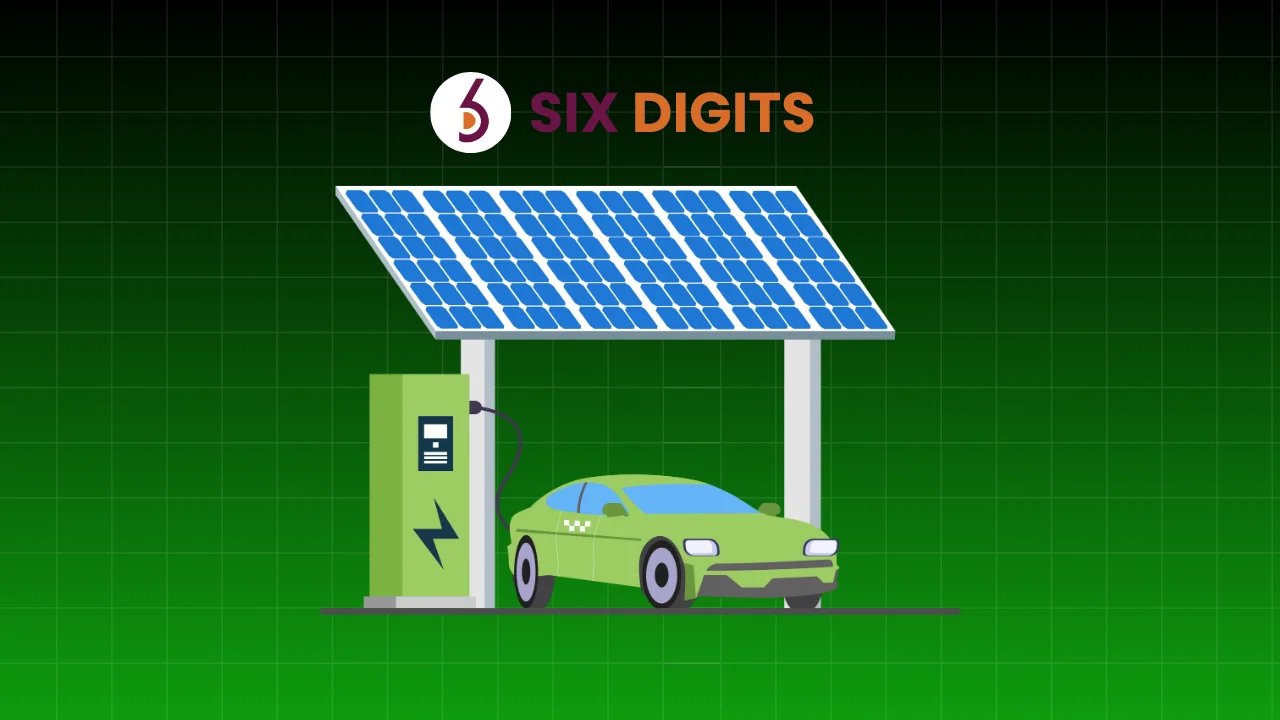
- EV charging stations and electric buses.
- Artificial intelligence-driven integrated traffic management systems.
- Areas of non-motorized transport, roads with cycling lanes and footways.
- Mobile travel services.
As an example, the smart city of Indore has deployed electric buses, and Kochi has added smart in water meters and solar ferries.
Such initiatives do not only reduce carbon emissions but they also make urban life and public transport more accessible.
Water Control and Waste Recycling
The sustainable cities must use their natural resources in a prudent manner. The investment in digital water management and solid waste recycling solutions is going into smart cities across India.
- The City of Ahmedabad and Chennai implement sensors, based on IoT, to oversee the water supply and identify leakages.
- The city of Indore, India which has been declared the cleanest city in the past seven years recycles 100 percent of their solid waste and converts garbage into compost and fuel.
- Smart bins and GPS-based waste trucks are enhancing efficiency in collection and decreasing landfill addiction.
These analytic systems will make sure that each drop of water and each scrap of rubbish are managed, which is why India is on its way to Swachh Bharat Mission.
Green Buildings and Green Architecture
Green architecture is also being adopted in urban India; it is a form of design that has a reduced negative effect on the environment and the most efficient use of energy.
- The Indian Green Building Council (IGBC) and GRIHA are certifying environmentally friendly buildings in the government and the commercial sectors.
- That includes such elements as solar panels, natural lighting, harvesting rainwater, and effective insulation, which are becoming a norm in new buildings. rainwater,
- IoT in smart homes enables citizens to have real-time information on the usage of energy, air quality, and water.
From residential works in Bengaluru to business towers in Mumbai, green architecture has now become the synonym of sustainable urban development in India.
Digital Government and Citizen Empowerment
Smart cities are based on data and involvement.
- The combination of IoT sensors, AI-based analytics, and digital dashboards will allow the people in charge of a city to make sound decisions on a timely basis.
- Monitors in more than 80 cities are integrated into the Integrated Command and Control Center (ICCC) that assists in monitoring traffic, public safety, and the amount of pollution.
- Citizen apps are mobile applications that enable the residents to report, pay bills, and access civic services via the Internet.
- This digital-first strategy has enhanced transparency, accountability and interactivity with the community in urban India.
India is a smart city whose success narrative is centered around empowered citizens.
Sustainability, Economic Growth
The smart cities in India do not merely revolve around technology but also economic development.
- The World Bank estimates that the urban economy in India will contribute 75 percent of the GDP in 2036.
- Other smart city projects have already created more than 2 million direct and indirect construction, technological, and green employment.
- There is a growing influx of international investors in sustainable infrastructure brought by the combination of clean technology and digital governance.
Bhubaneswar and Surat are cities that have been regarded as sustainable cities in terms of urban innovation, and so far India is on the smart rainwater across the globe.
Tribulations and The Way Forward
In spite of good gains, there are still challenges, such as funding, outdated facilities, and equal opportunities in technology.
- Specialists underline the necessity of:
- Greater public-private relationships (PPP).
- Increased attention to Tier-2 and Tier-3 cities.
- Greater digital literacy and inclusiveness.
India is on the right track to creating smart, green, and sustainable cities in the future with further innovation and community involvement and green planning.
Conclusion: Smart and Sustainable Urban Future in India
The Smart Cities Mission in India is a project that is not just about infrastructure development; it is a roadmap of smart cities.
India is establishing that sustainability and development can go hand in hand by combining green infrastructure and smart technology.
Each solar-powered streetlight, each electric bus, and each citizen-led innovation contributes to the dream of a clean, connected, and carbon-neutral urban India.
The Indian cities are on a smarter and greener planet, and the world is observing this.
Meta Description (Search Engine Optimized)
Learn how the Smart Cities Mission is changing life in India with green infrastructure, renewable energy, digital governance, and sustainable mobility.
Suggested Hashtags
SmartCitiesIndia Green Infrastructure Sustainable Urban India Clean energy Digital India Urban Development Smart Mobility Green Buildings Sustainability Future of Cities.