




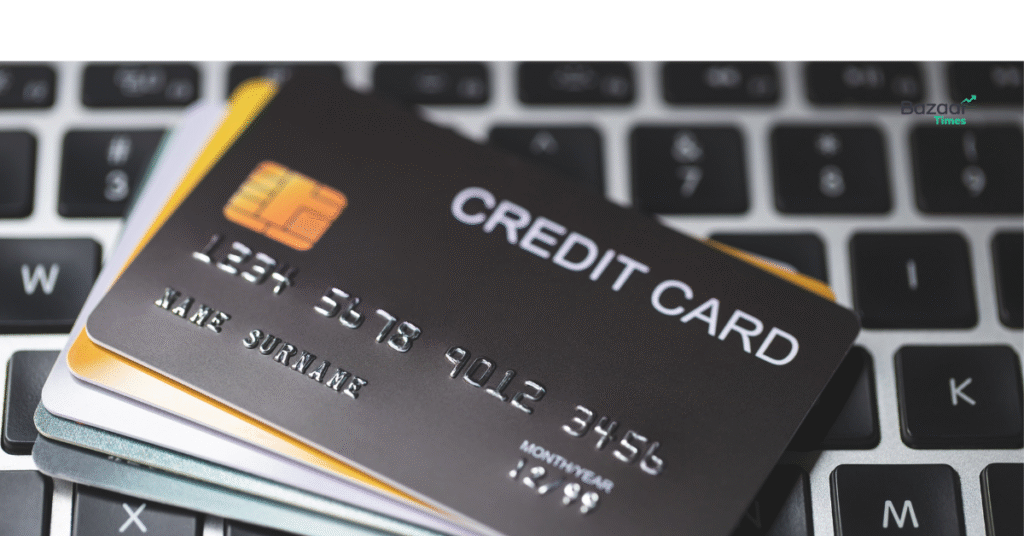
In recent times, the world has been very busy, and credit cards have become one of the most frequently used financial instruments in terms of paying fees, covering bills, and establishing credit records. Billing, online shopping, and buying travel tickets or any other transaction made through credit cards makes it easy and rewarding. But what is a credit card, and how does it work? Let me tell you all you need to know.
Learners shall understand what a credit card is
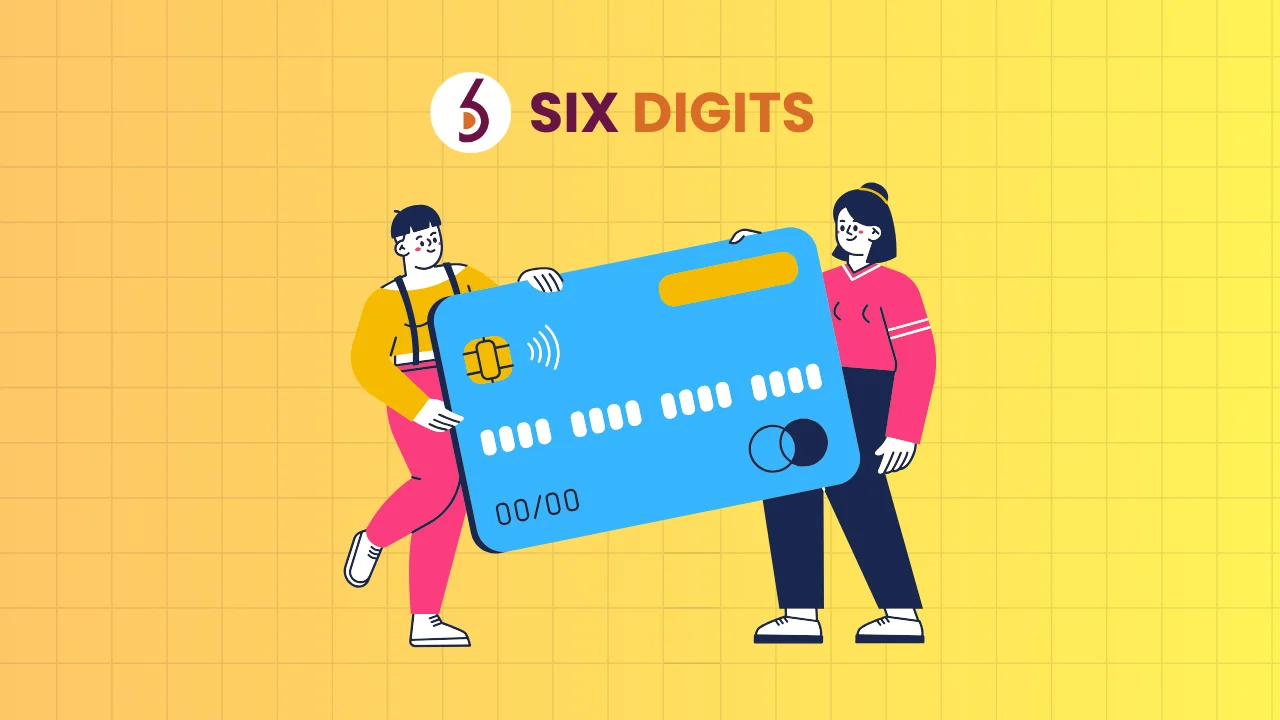
A credit card is a financial tool that is issued by financial institutions or the banks such that you are able to borrow funds to a specified limit in order to purchase goods and services. Simply put, it allows you to purchase and pay later.
When you pay using a credit card, you have your credit card-issued bank pay to the merchant on your behalf. The bank then gets back the amount of money later, either in one lump sum before the due date or as monthly payments with interest. This is unlike having a debit card whereby money is taken directly from your bank account.
Primary Keywords: what is a credit card, credit card meaning, how credit cards work.
Secondary Keywords: the advantages of credit cards, credit card types, credit card facilities, and credit card limits.
How Does a Credit Card Work?
Each credit card has its limit; that is the maximum amount a card can spend. Your purchasing limit is reduced when you shop. You also get a monthly statement of the amount that you spent, the minimum amount that you need to pay, and the date.
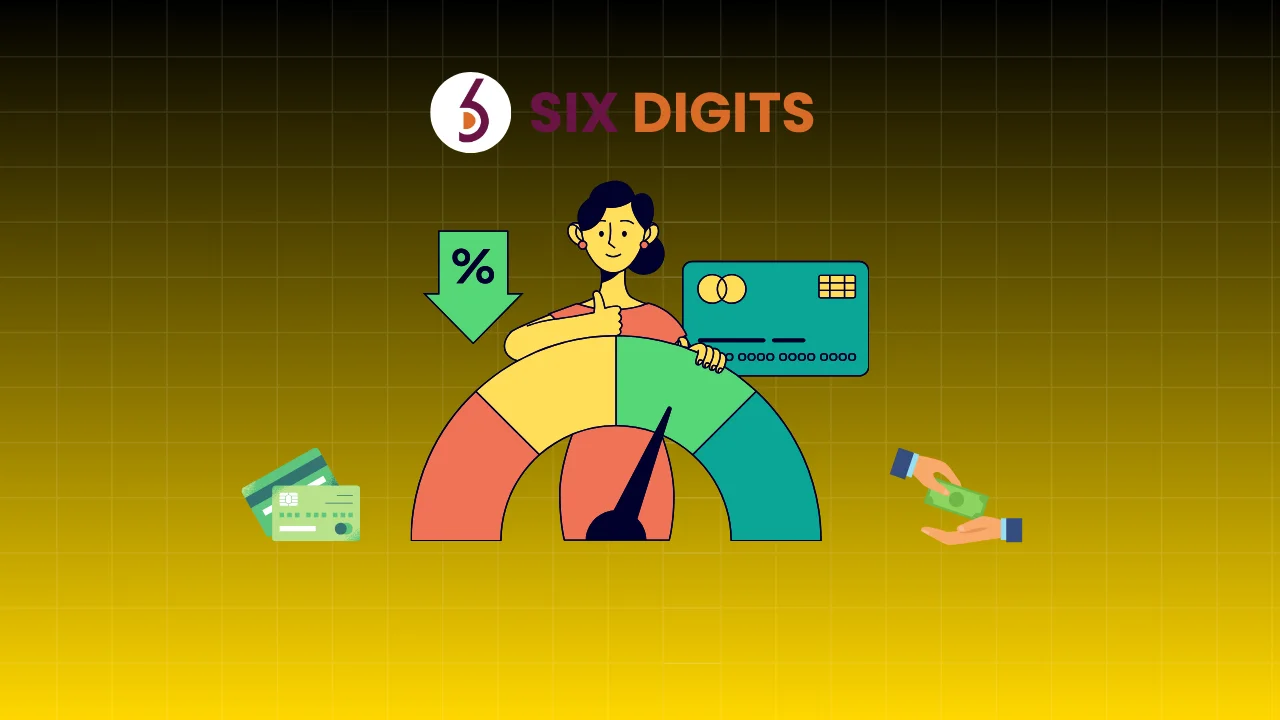
In case you can pay the complete amount before the due date, there is no interest to be paid. Nevertheless, when you just make the minimum payment, the rest would earn an interest, which could be between 30% and 45% per year.
Example
Assuming your credit card limit is 1 lakh rupees, and you have spent 20,000, then you have 80,000 left. The interest will be avoided, but you will have to repay the 20,000 by the next due date.
Key Features of Credit Cards
1. Credit Limit
The highest limit of the money that the bank allocates according to your income and credit history.
2. Interest-Free Period
Usually 45-50 days, on which you will be able to repay the money without interest.
cashback,
3. Rewards and Cashback
All purchases are rewarded with reward points, cashback, or travel miles that can be redeemed in the future.
4. EMI Conversion
You will be able to pay off huge purchases in installments in monthly EMIs at reduced rates of interest.
5. Global Acceptance
The majority of credit cards are accepted universally, and this makes them perfect for international travelling.
Types of Credit Cards
Credit cards are available in several forms that are used to meet the different requirements:
- Rewards Credit Card: This has the ability to earn points on each purchase and redeem them as vouchers or gifts.
- Cashback Credit Card: Receive a percentage of your purchases in the form of cashback.
- Travel Credit Card: Ideal when traveling frequently, this card contains air miles, lounge access, and insurance for travel.
- Fuel Credit Card: Discounts and reward points on fuel costs.
- Shopping Credit Card: Get online and offline shopping discounts and offers.
SEO Keywords: what are credit cards, which are the best credit cards, travel credit cards, cashback credit cards, and cards.
Advantages of Utilizing a Credit Card
1. Convenience: Payments are fast and safe; one does not need to carry cash.
2. Establishes Credit Score: Timely payments Every payment is made on time, which improves your CIBIL score.
3. Emergency Support: This is helpful when there are low funds and an emergency is imminent.
4. Exclusive Offers: Exclusive offers including discounts, cashback, and reward programs.
5. Purchase coverage: A lot of cards come with coverage of lost or damaged merchandise.
Things to Keep in Mind
Although credit cards are handy, they may cause one to get into debt pitfalls. Here are some tips:
- Never miss bills; this will mean that you are spared late charges and interest.
- Attempt to spend no more than 30-40 percent of the credit limit.
- It is a good idea to avoid cash advances because they charge a lot.
- Check your monthly account to identify mistakes or fraud.
- Do not open up too many cards at once-this will impact your credit score.
Conclusion
A credit card is not a simple payment tool, and it is a pathway to financial freedom, rewards, and credit accumulation. It should, however, be utilized in a wise and responsible way. You can get all the credit card benefits and not go into debt by being able to pay your bills on time and spend within your means.
The point is that, next time you swipe your card, you will remember that it is not only about spending but about spending in a clever way.





2 thoughts on “What Is a Credit Card? The Ultimate Guide to Starting as a Beginner”