

You are going to spend more than your credit card limit but settle the bills before the statement date? Know its impact on your credit utilization ratio, CIBIL score, and health of your credit. Professional analysis of the CEO of TransUnion CIBIL, Bhavesh Jain.
Most credit card holders are of the opinion that as long as their outstanding balance is paid by the end of the allotted time, there would be no repercussion of going over the card limit that would affect their credit rating. But is that true? The solution will be in the means of how credit card utilization is reported to credit bureaus such as TransUnion CIBIL, Experian, and Equifax.
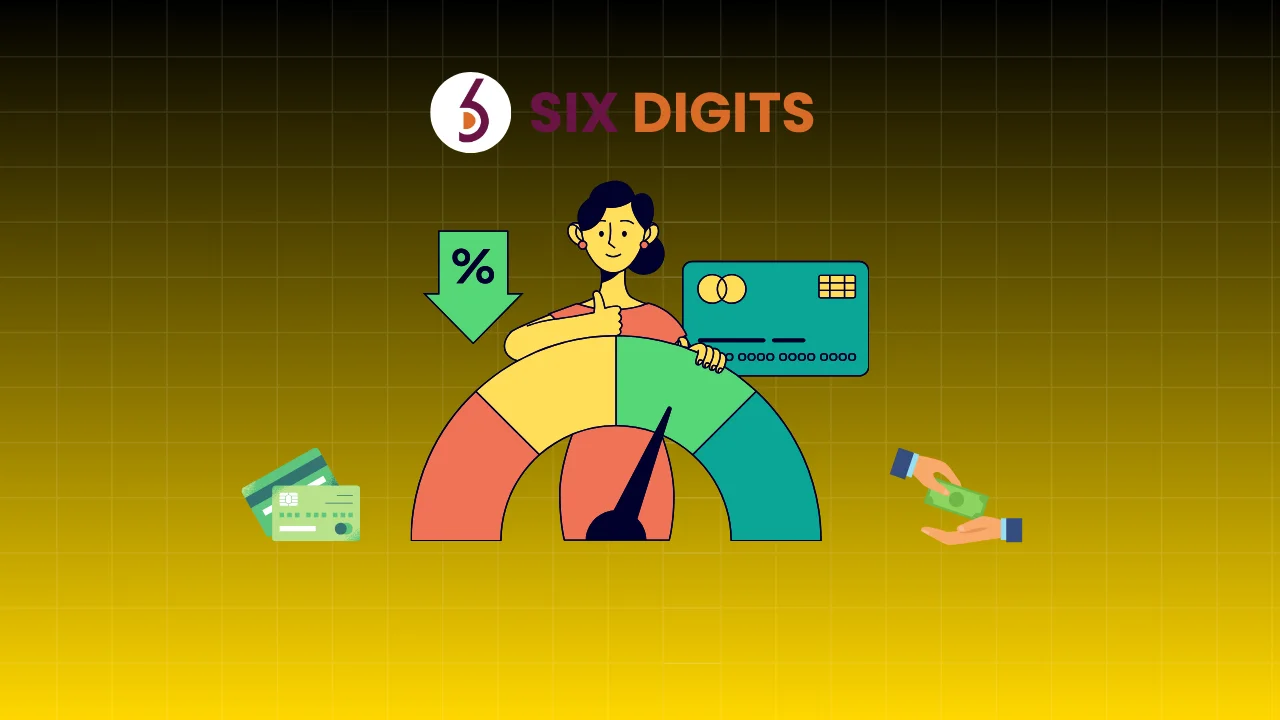
One of the most critical elements that determine your credit score is based on your credit utilization ratio, which is the percentage of your entire credit limit that you utilize in India. Whether you are going to exceed your limit is, however, mostly determined at the time your bank submits the information to the bureau.
Let’s explore this in detail.
What is the credit utilization ratio?
The ratio of the amount of credit you use out of the credit limit is referred to as the credit utilization ratio. It is calculated as
Credit Utilization = (Total Outstanding Balance/Total Credit Limit) 100
An illustration here is that when your credit limit is 100,000 and your balance is at 30,000, then your utilization ratio is 30.
Financial analysts advise that this ratio should be maintained at less than 30 percent to have a good CIBIL score and be viewed as one who uses credit properly.
What transpires when you exceed your credit limit?
In cases where you spend more than the limit on your credit card, the bank can.
- Reject subsequent deals.
- Impose an over-limit fee (usually 2 percent to 3 percent of the excessive amount).
- Reduce your credit score on a temporary basis.
- Mark your profile as being high-risk to other lenders.
Though you may clear off the surplus soon, when there are frequent episodes of going beyond your limit, lenders have a tendency of considering you as credit reliant or financially starved.
Is It Better to Pay Before the Statement Date?
Yes—a little payment time is important.
TransUnion CIBIL, Bhavesh Jain, MD & CEO, stated that,
“The amount that is reported is based on the balance at the time of generation of the statements. In case there is zero balance in what you say due to paying off early, then the high utilization might not be registered.
This implies that when you clear your outstanding credit before your credit card statement is created, then your reported utilization may be zero or even much less. Consequently, your credit score will not be affected when spending high temporarily.
Nevertheless, when your issuer sends your data to the bureau prior to the clearance of the dues, the high figure of utilization will be registered, and this might be detrimental to your credit report in that period.
Representation of credit card information to credit agencies
Banks and credit card issuers send your account number to credit score agencies such as CIBIL every month. This includes:
- Outstanding balance.
- Credit limit
- Payment history
- Number of days past due (if any)
- Credit utilisation ratio
The date when data is taken is normally the statement generation date rather than your payment due date. Therefore, paying up the balance due after the statement date but before the due date might not ensure that the high utilization is not reported.
Risks of Often Going into Excessive Credit Limit
Although it may not reflect on your credit report as highly utilized, having a regular habit of exceeding your credit limit has other ramifications:
- Perceived risk may cause lenders to lower your credit limit.
- In the future credit applications can be put under closer inspection.
- Tagging of high-risk behavior will affect your loan issuance.
- There is a possible over-limit charge and increased interest.
Bhavesh Jain also notes,
“Lenders might take it with a grain of salt even with quick repayment. In order to remain on an overall healthy credit profile, it would be wise to keep within the limit notwithstanding the repayment that is timely.
Proven tips on how to manage credit utilization.
The best practices to maintain a high credit score are
1. Keep utilization below 30%.
Attempt to borrow less than one-third of your total credit limit. Suppose that your limit is 1 lakh in Indian rupees; then you should not spend over 30,000 without making a payment.
2. Pay in Advance or More than Once a Month.
In case you are a heavy spender, pay midway in order to maintain low utilization up until the statement date.
3. Ask to have a credit limit increased.
In case you are consistently reaching 80-90 percent of your limit, request your bank to add to it. This decreases your utilization ratio but does not decrease your spending.
4. Sharing of expenses on more than one card.
Spread the costs evenly between two or more credit cards to prevent overcharging any one credit card.
5. Check Your Credit Reports Every Now and Then.
Review your CIBIL report on a regular basis of a few months to be sure that the utilization information is correct and if there are any errors.
Key Takeaways
- The effect of surpassing your credit limit will be adverse to your credit profile even when it is paid promptly.
- When you pay your statement date earlier than the statement date, then you may not see high utilization on your credit report.
- It is a consistent overextending, however, that is an indication of risky behavior to lenders.
- The goal should always be to ensure utilization does not exceed 30 percent, pay dues on time, and keep credit in good health.
Conclusion
Although it is true that paying up your credit card dues prior to the statement date may allow you to escape a high utilization mark on your credit report, a common occurrence of going above your credit limit is also not a good thing. Your CIBIL score and credit profile would be maintained with responsible usage, on-time payments, and keeping track of your utilization rate as the keys. healthy financial practice
Simply put, your credit card is a convenience device—not a credit line. Use it with wisdom, and it will pay you off with more financial opportunities in the future.