



One of the most popular types of loans that allow people to satisfy their financial needs without any security or collateral that people pledge is a personal loan. You need to pay medical bills, marriages, home renovation bills, and education fees, among others, then a personal loan is your instant solution.
In this blog, we are going to learn the meaning of a personal loan, how it operates, and the importance of the personal loan in your financial planning.
What Is a Personal Loan?
A personal loan is an unsecured loan that is provided by banks, non-bank financial intermediaries (NFIs), and other financial institutions to individuals upon the basis of income level, credit rating, and repayment history.
It is not secured, and so, you do not need to secure it with any asset (property or gold). The lender just looks at your creditworthiness and ability to repay before giving the loan.
The major characteristics of a personal loan are as follows:
No collateral required
Tenure of repayment (usually 1-5 years) fixed or flexible.
Fast disbursement and approval.
Multipurpose use—there is no limit on the use of the amount.
Comprehensive competitive interest rates depending on your profile.
How Does a Personal Loan Work?
By the time of acquiring a personal loan, it is easy
1. Application: Do it online or offline with a bank or loan application.
2. Eligibility Check, The lender checks your income, credit score, and documents.
3️. Approval and Disbursal, The loan amount is now transferred to your bank account in hours or a few days after it was approved.
4️. Repayment: You repay the loan in monthly EMIs (Equated Monthly Installments) within the agreed tenure.
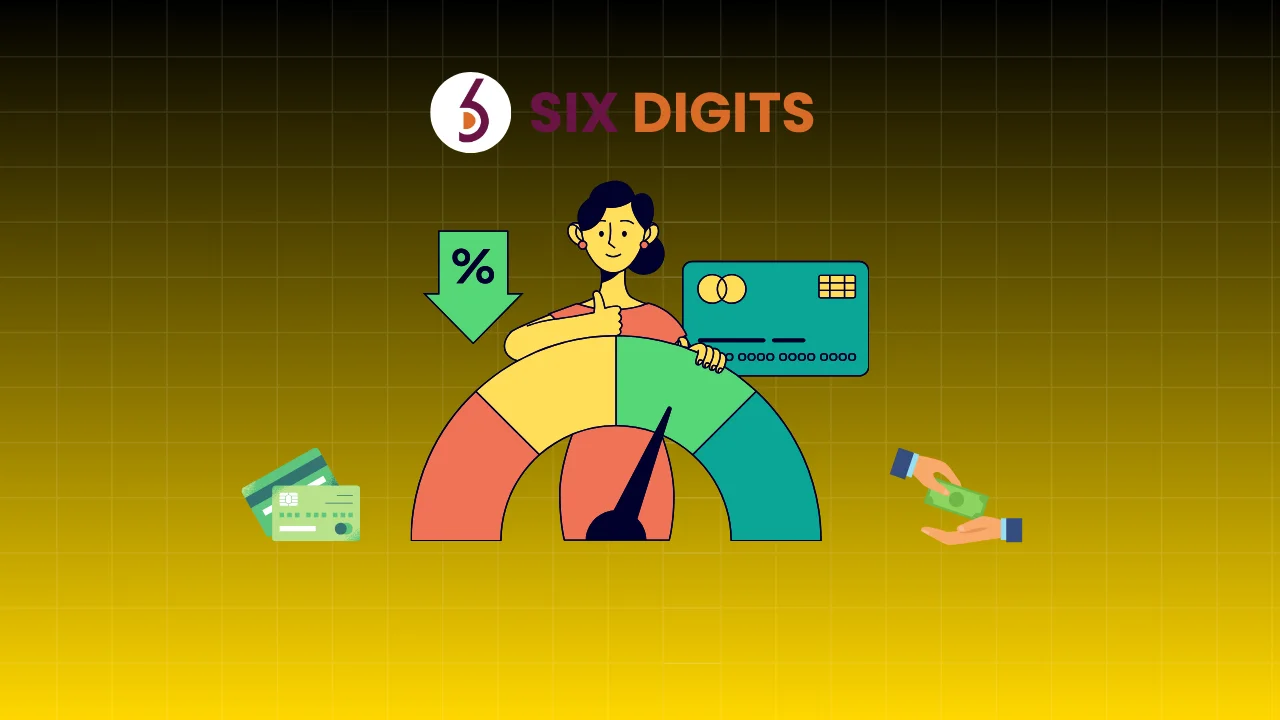
Tip: The higher your credit score (750 or more), the higher the likelihood that you will get a lower interest rate on your personal loan.
What Is the Importance of a Personal Loan
Personal loans are important to the management of your financial life, particularly in crisis or
huge expenditures. Here’s why they’re important:
1. Financial Flexibility
You have the ability to utilize a personal loan in any way- medical emergency and education, travel, or building reparation. No limitations to final use.
2️. No Collateral Required—medical
Personal loans do not need any asset as security, as opposed to home or car loans. This renders them available to a greater number of individuals.
3️. Quick Access to Funds
Most personal loans nowadays are granted and disposed within 24-48 hours using digital processing and therefore are perfect when one needs immediate cash.
4️. Helps Build Credit Score
EMIs help in increasing your CIBIL score, which increases eligibility to take out a loan in future.
5️. Debt Consolidation
A personal loan can be used to take several high-interest loans (such as credit card debts) and repay them in one manageable EMI at a reduced interest rate.
6️. Improves Lifestyle
Personal loans will allow you to increase your lifestyle without financial strain, whether it is funding your wedding or higher education or starting a small business.
Documentation Personal Loan Docs.
The majority of the lenders require the following documents:
- PAN Card or Aadhaar Card
- Salary slips or proof of income
- Bank statements (last 6 months)
- Address proof
- Passport-size photos
Eligibility Criteria
In order to receive a personal loan, you need to fulfill the following basic requirements:
- Age: 21–60 years
- Employment: full-time or part-time.
- Minimum monthly income: 20-30000 (depending on the lender)
- Credit Score: Preferred 700 and above.
Final Thoughts
Personal loans are easy, quick and flexible means of meeting any financial requirement without
having to strain your savings. A personal loan can serve as a financial safety net whether an emergency occurs or you are planning a costly expenditure.
Nevertheless, do not borrow blindly; compare the interest rates, read the terms of the loan properly, and be sure that you can pay it at the right time without any inconveniences.
A personal loan with proper management does not only benefit you now, but it also adds strength to your financial statement later in life.